
If you live in Maryland or Delaware, you know that our humid summers and damp springs are the perfect breeding ground for roof moss. You step outside to check the mail, look up, and realize your beautiful home is starting to look more like a forest floor. It’s tempting to grab a ladder and a scrub brush to handle it yourself, but before you do, we want to help you avoid some very common, and very expensive, blunders.
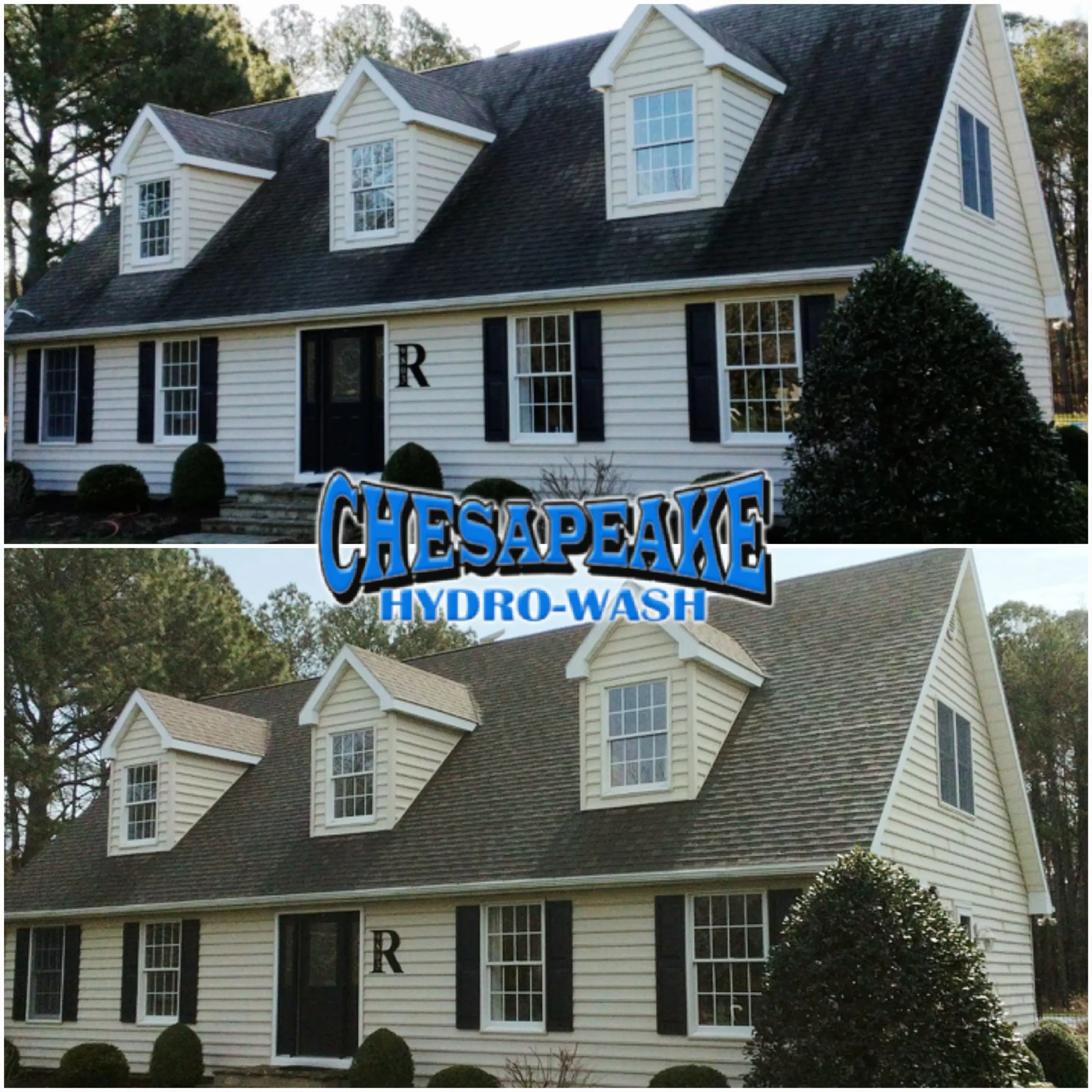
At Chesapeake Hydro-Wash, we see the aftermath of "DIY gone wrong" all too often. Moss isn't just an aesthetic issue; it’s a living organism that roots itself into your shingles, trapping moisture and causing structural decay. However, removing it incorrectly can be just as damaging as the moss itself.
Here are the 7 biggest mistakes homeowners make with roof moss removal and exactly how we recommend fixing them.
1. Reaching for the Pressure Washer
It is the most common mistake in the book. You see moss, you think "power," and you reach for the pressure washer. It seems logical, high-pressure water should blast that green stuff right off, right?
The Mistake:
High-pressure water is the enemy of the asphalt shingle. Your roof is covered in small, ceramic-coated granules that protect the underlying asphalt from UV rays and fire. A pressure washer acts like a sandblaster, stripping those granules away and significantly shortening the life of your roof. Even worse, high pressure can force water under the shingles, leading to roof leaks, mold in your attic, and wood rot that you won't see until it’s too late.
The Fix:
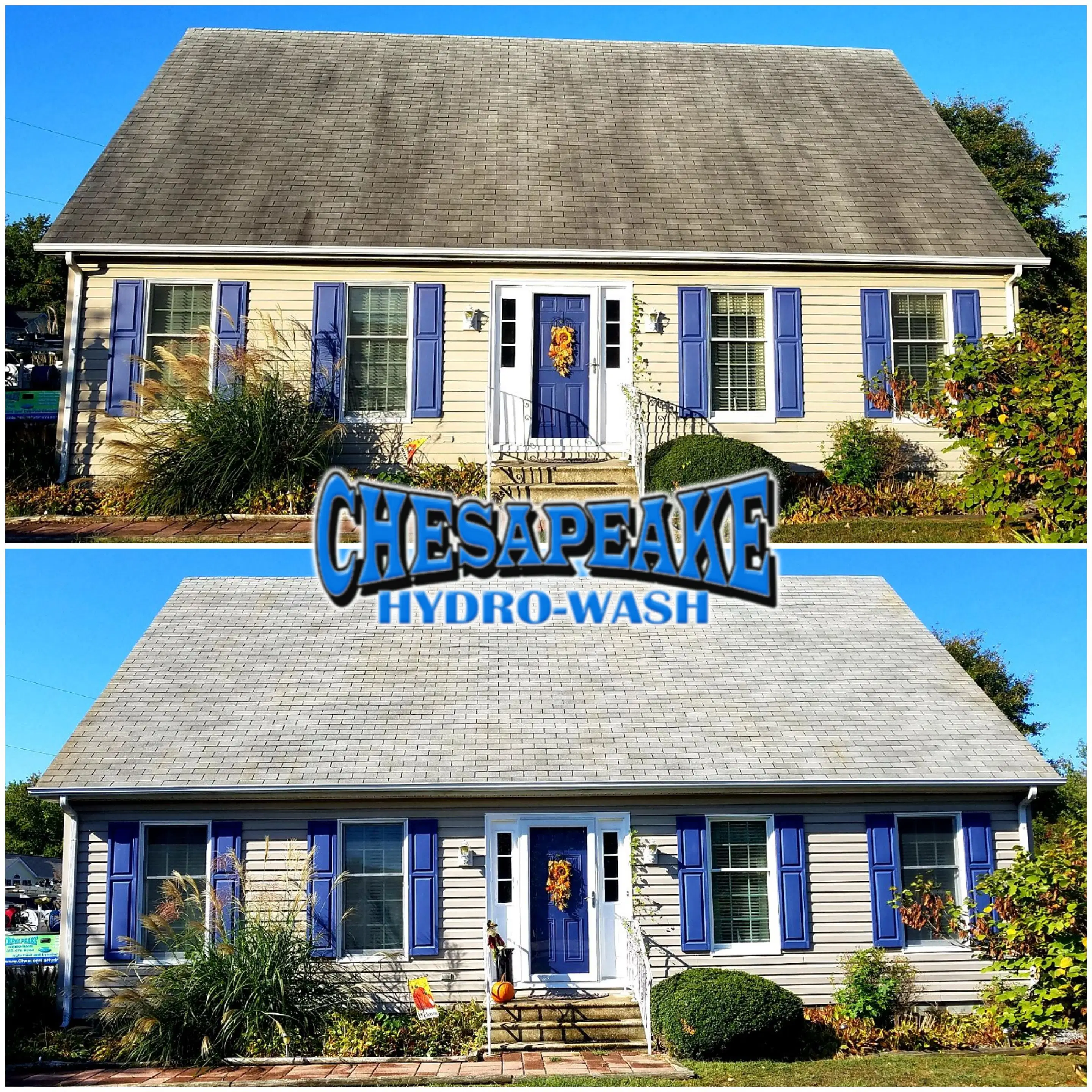
Stop! Put down the wand. The only way to safely clean a roof is through a soft wash approach. This method uses low-pressure pumps (similar to a garden hose) to apply specialized cleaning solutions that kill the moss at the root without mechanical force.
2. Aggressive or Abrasive Scrubbing
When the moss doesn't come off easily, the next instinct is often to grab a stiff-bristled brush or even a metal scraper.
The Mistake:
Aggressive scrubbing is essentially "exfoliating" your roof to death. Just like pressure washing, heavy scrubbing removes the protective granules. If you find yourself leaning into a brush to get a stubborn patch of moss off, you are likely pulling the top layer of the shingle off with it.
The Fix:
If you must brush, use a very soft-bristled brush and work only with gentle, downward strokes. However, the professional secret is to let the chemistry do the work. A proper soft wash solution will neutralize the moss, causing it to die and eventually detach naturally with the wind and rain. For more on why those stains and growths appear, check out our guide on what those black streaks really are.
3. Using the Wrong Cleaning Chemicals
We’ve heard it all: "I used laundry detergent," "I tried straight pool chlorine," or "I used a vinegar mix I found online."
The Mistake:
While some of these might turn the moss brown, they can be disastrous for your home’s ecosystem.
- Laundry detergent: It’s not designed for outdoor runoff and can create a slippery, sudsy mess that harms your lawn.
- Straight Bleach: While bleach is a component of many roof cleaners, using it in the wrong concentration or without "surfactants" (sticking agents) means it just runs off the roof, killing your landscaping and potentially discoloring your siding.
- Vinegar: It’s often too weak for heavy moss infestations and requires constant re-application.
The Fix:
Use professional-grade, biodegradable cleaners specifically formulated for roofing materials. At Chesapeake Hydro-Wash, we use a custom-blended solution that is tough on moss but gentle on your home. We also prioritize "plant health" by pre-wetting and rinsing all surrounding vegetation to ensure your garden stays as beautiful as your roof.
4. Ignoring Your Specific Roof Type
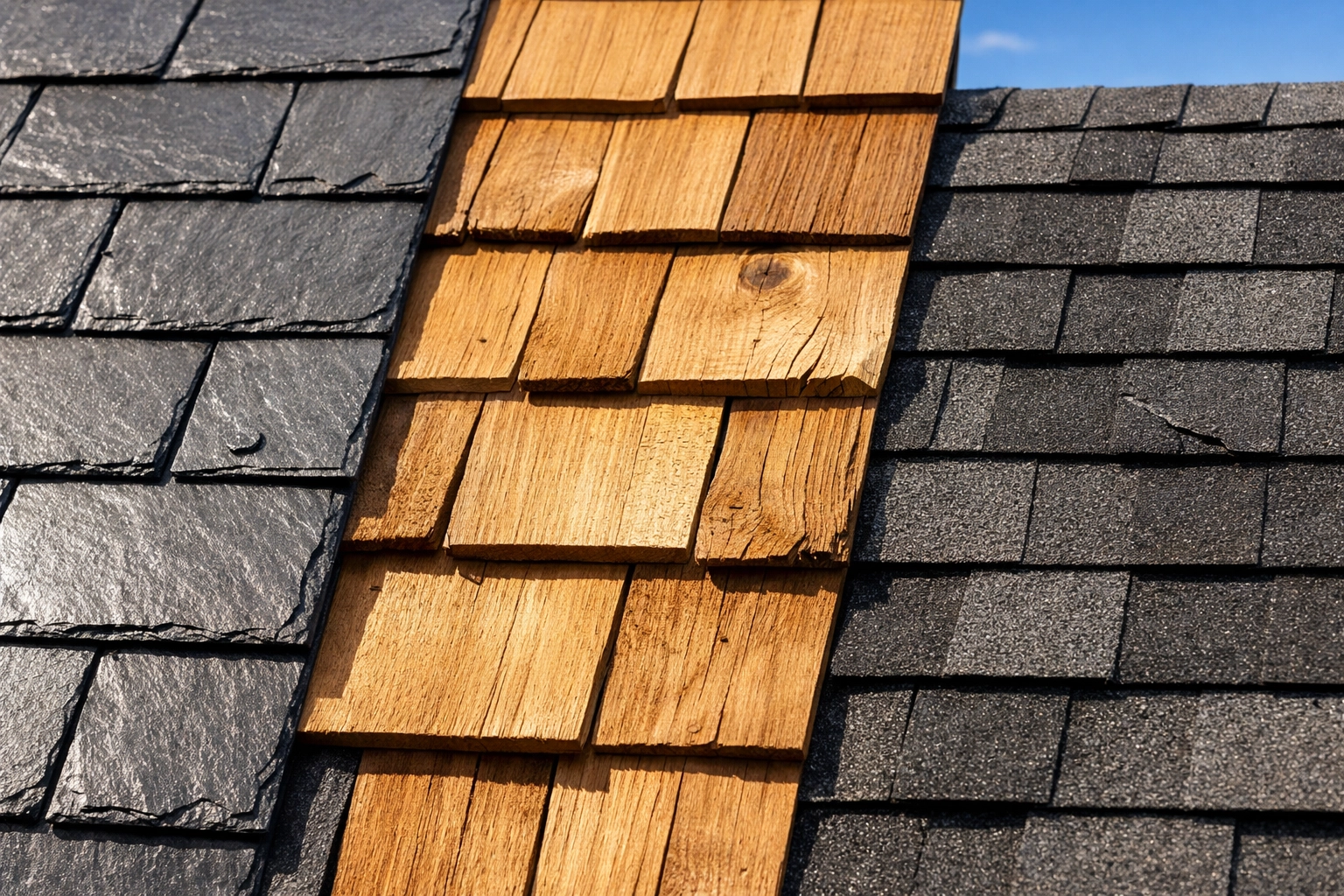
A cleaning method that works for a 3-tab asphalt shingle might be a disaster for a cedar shake or slate roof.
The Mistake:
Treating every roof with a "one-size-fits-all" mentality. Slate roofs are brittle and can crack under the weight of a person walking on them. Cedar shakes require specific conditioners to prevent them from drying out after a cleaning.
The Fix:
Identify your roofing material before you start. If you aren't sure, it is always safer to call a professional. Our team is trained to handle various materials, ensuring the integrity of your home remains the top priority. You can see examples of our specialized work in our roof cleaning gallery.
5. Spreading Moss Spores During Cleaning
Moss doesn't just grow; it reproduces via tiny spores that are easily carried by the wind.
The Mistake:
Many homeowners spend hours scraping moss off one section of the roof, only to realize a few months later that the moss is growing back twice as fast in a different spot. By dry-brushing or blowing moss off the roof, you are effectively "seeding" the rest of your shingles (and your neighbor's roof!) with spores.
The Fix:
Kill before you remove. Any physical removal should be preceded by a chemical treatment that kills the spores. This ensures that any debris that moves during the cleaning process is "dead" and cannot re-root itself elsewhere. This is a core part of our cleaning process.
6. Overlooking Preventative Maintenance
Removing moss is only half the battle. If you don't change the environment that allowed the moss to grow, it will be back before you know it.
The Mistake:
Thinking that a one-time cleaning is a permanent fix. Moss loves shade, moisture, and debris. If you have overhanging tree limbs or clogged gutters, you are rolling out the red carpet for moss to return.
The Fix:
- Trim the Trees: Ensure your roof gets at least a few hours of sunlight a day.
- Clean Your Gutters: Standing water in gutters creates the humidity moss craves. We highly recommend gutter cleaning and guards to keep moisture moving away from your shingles.
- Install Zinc or Copper Strips: These metals release ions during rainstorms that are toxic to moss and algae, providing a long-term barrier.
7. The Danger Factor: DIY Safety Risks
This is the most important point on the list. Every year, thousands of people are injured in falls from ladders or roofs.
The Mistake:
Attempting a roof clean without professional safety equipment. Roofs are inherently dangerous, but when you add water and cleaning solutions, they become as slippery as an ice rink. Many homeowners also fail to wear proper eye and skin protection when handling cleaning chemicals.
The Fix:
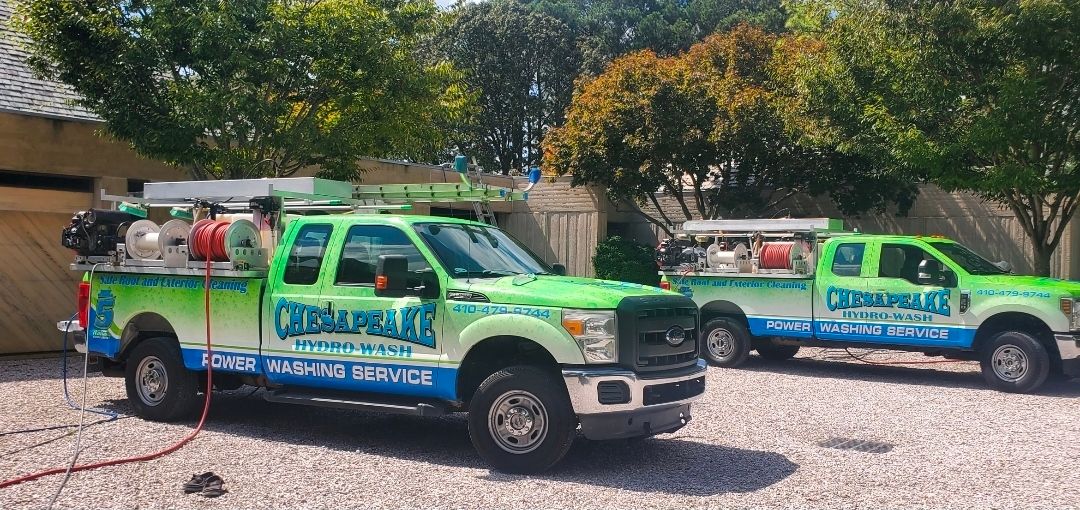
Hire a professional who is OSHA-compliant. At Chesapeake Hydro-Wash, we take a "safety first" approach. We use specialized ladders, fall-protection harnesses, and non-slip footwear. We are fully insured, meaning you don't have to take the physical or financial risk of climbing onto your roof.
Why Choose Chesapeake Hydro-Wash?
We aren't just guys with a truck and a hose. We are local experts who understand the specific challenges Maryland and Delaware homeowners face. Our soft wash system is designed to:
- Protect Your Warranty: Most shingle manufacturers (like GAF or Owens Corning) specifically recommend soft washing and warn that pressure washing will void your warranty.
- Enhance Curb Appeal: A clean roof makes your entire home look brand new.
- Save You Money: Extending the life of your roof by 5 to 10 years is significantly cheaper than a full roof replacement, which can cost upwards of $15,000.
Whether you are preparing your home for an exterior cleaning or you just noticed the first signs of green growth, we are here to help. Our team provides detailed estimates and a satisfaction guarantee on every job.
Ready to get that moss off for good?
Please ensure your home stays protected by choosing the right method from the start. We’ll be happy to take a look at your roof and provide a free, no-obligation quote. To allow us to give you the best service possible, just click the link below to get started!
Let’s Get Started – Request Your Free Estimate Today!
We look forward to helping you restore your home’s beauty and protecting your investment for years to come!